




The Future of Tablet Press Machines: Automation & Smart Technology
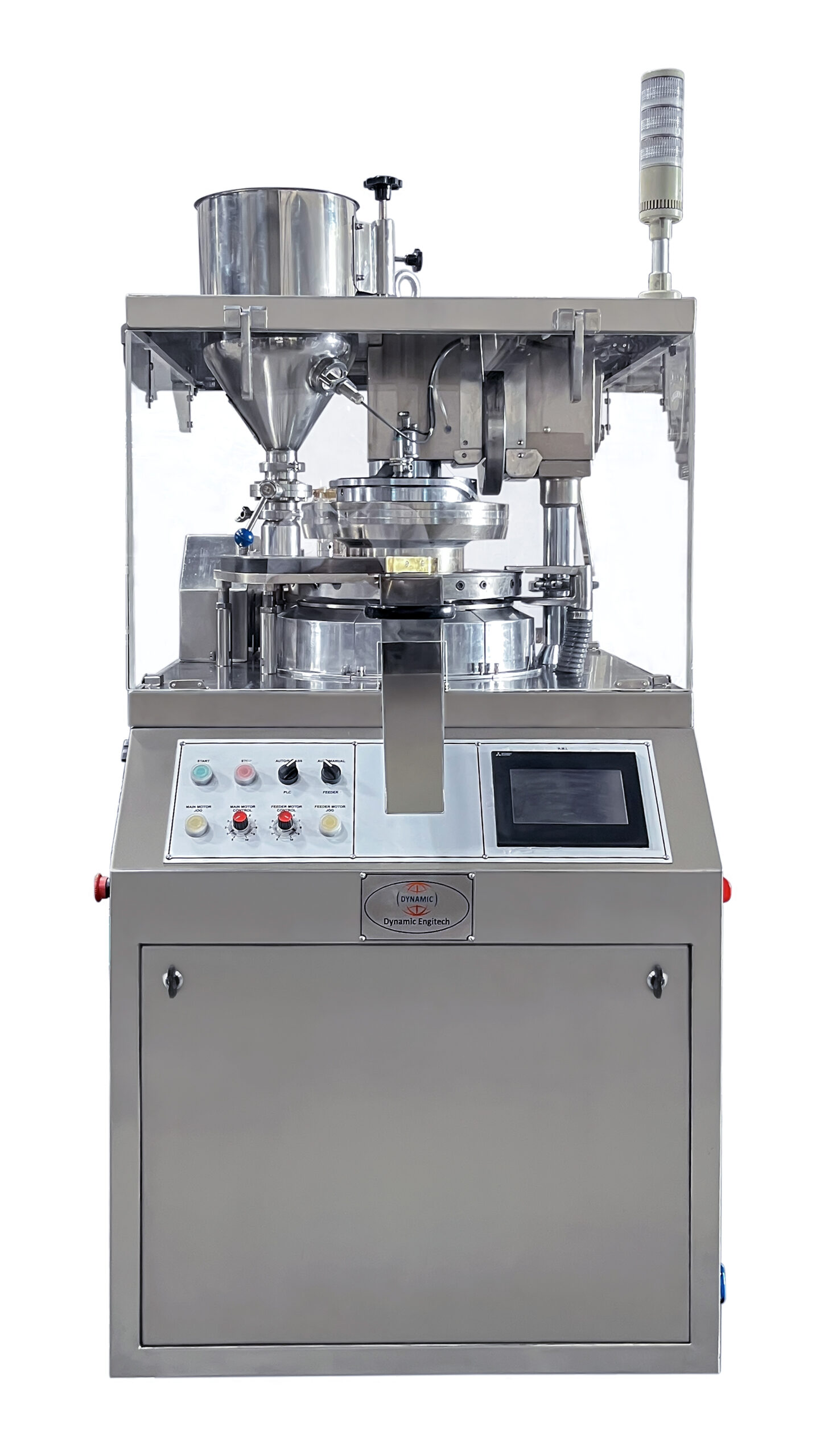
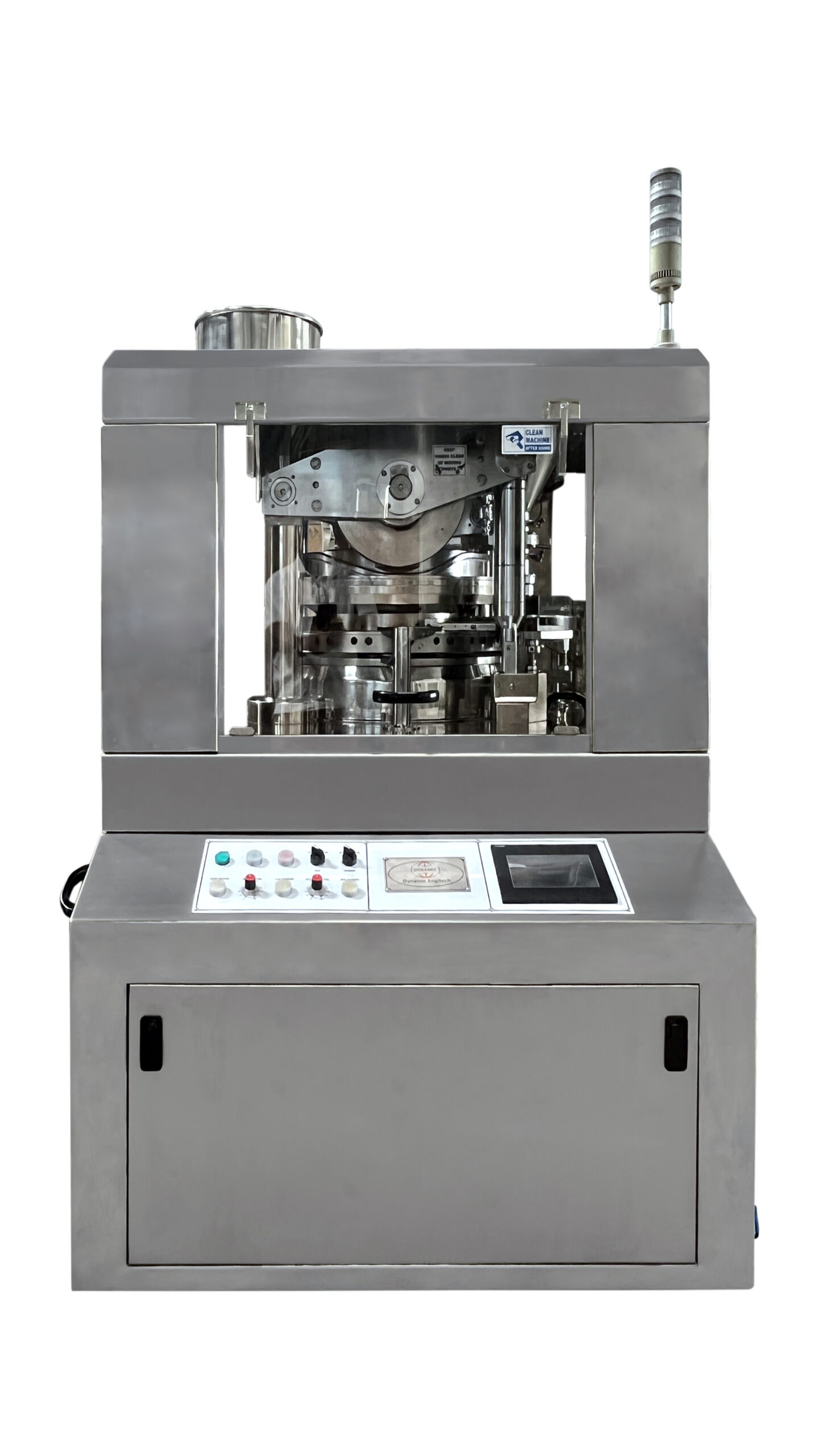
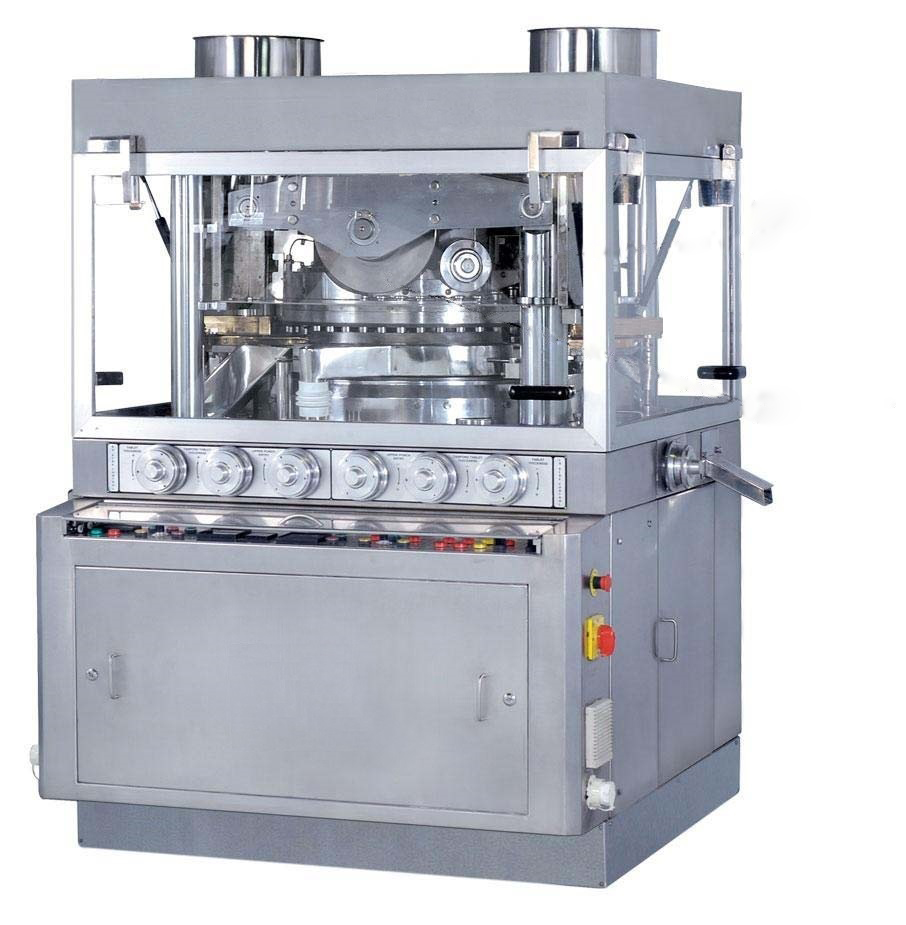
Tablet press machines are a critical part of the pharmaceutical and nutraceutical industries, ensuring capsules’ green and specific production. With the speedy advancements in the era, particularly in automation, tablet press machines are becoming more innovative and green. This blog will explore how automation and the smart era are shaping the destiny of tablet press machines, enhancing their functionality, and decreasing human blunders.
A Look into the Evolution of Tablet Press Machines
Tablet presses have long been the backbone of tablet manufacturing in the pharmaceutical and nutraceutical sectors. From single-punch presses to rotary tablet presses, the industry has evolved to include more and more state-of-the-art eras. Today, the focus is transferring towards automation and innovative technology, which can permit producers to provide tablets with more excellent performance, fewer defects, and advanced exceptional manipulation.
In the past, the demanding situations in tablet production—including defective tablets, capping defects, picking and sticking tablets, and other common tablet defects—had been mainly because of guide modifications and human intervention. As producers increasingly turn to automated tablet press machines and automatic control structures, these issues are getting easier to avoid. But how precisely is automation changing the sport of tablet press machines? Let’s discover.
Automation in Tablet Press Machines: A Game Changer
The advent of automated tablet press machines has revolutionized tablet production. Automation offers several benefits, mainly in phrases of pace, consistency, and quality. Here’s how automation is shaping the enterprise:
Improved Efficiency and Consistency
Automated tablet press machines are designed to hold regular stress and speed at some stage in the manufacturing procedure. The precision of automatic systems removes the possibility of human error, ensuring that each tablet is manufactured with uniform weight, thickness, and hardness. This consistency is essential, especially in industries like pharmaceuticals and nutritional dietary supplements, where precision is necessary to ensure the dosage in every tablet.
Faster Production Speeds
Automation allows tablet presses to work at excessive speeds without compromising on first-rate. Unlike manual systems, which require constant supervision and changes, computerized systems can run continuously, growing production output and reducing the time needed to supply big batches of drugs. The potential to produce medicines at high speed while maintaining quality standards is a key driver in the tablet manufacturing market.
Real-Time Monitoring and Adjustments
With automation, tablet press machines come ready with sensors and clever generation to display tablets exceptionally in actual time. This means that if a hassle arises—including a capping defect or tablet chipping—the system can routinely modify the issue earlier than it influences the whole batch. These actual-time modifications help reduce downtime, lessen waste, and ensure that every tablet meets the specified quality requirements.
The Role of Smart Technology in Tablet Press Machines
The smart era is another significant advancement in tablet press machines. By integrating advanced sensors, facts analytics, and connectivity, tablet press machines can offer real-time statistics, which are vital for each production and high-quality manipulation.
Predictive Maintenance
One of the most significant blessings of the clever generation in tablet press machines is predictive renovation. Sensors inside the gadget can screen vital components: punches, dies, and turrets. If an element displays signs and symptoms of wear or damage, the machine can send indicators to operators, letting them perform preservation before a failure happens. This minimizes downtime, reduces prices, and extends the device’s lifespan.
Remote Monitoring and Control
Modern tablet press machines may be connected to centralized structures or cloud-based systems, allowing producers to display and control the system remotely. This far-flung entry to a method that modifications may be crafted from everywhere inside the globe enhances operational performance and ensures tablet production runs efficiently.
Data-Driven Insights
Intelligent tablet press machines generate enormous amounts of facts throughout production. These statistics may be analyzed to identify traits, optimize overall performance, and improve product satisfaction. Producers can make facts-driven decisions to decorate tablet manufacturing tactics, reduce defects, and grow profitability by analyzing the system’s overall performance.
Reducing Tablet Defects with Advanced Tablet Press Technology
Tablet defects are commonplace in tablet manufacturing, but with the rise of automatic systems and innovative generation, these defects are becoming less complicated to prevent. Let’s check the maximum, not unusual, tablet defects and how automation is helping to cast them off.
Picking and Sticking Defects
Picking and sticking are the most common tablet defects, where the tablet sticks to the punches or dies, resulting in incomplete capsules. Automation facilitates the reduction of those defects by keeping the strain and pace consistent at some stage in the urgent system. The automated systems ensure the compression force is applied frivolously, preventing tablets from sticking to the tooling.
Capping Defects
Capping occurs whilst the upper part of the tablet breaks off, creating an incomplete tablet. This disorder is regularly caused by unsuitable compression or bad tablet tooling. Automatic tablet presses with innovative technology are geared to prevent capping defects by precisely rolling the tablet punching machine parameters price, reducing the probability of defects, and improving the very last tablet.
Chipping and Cracking Defects
Chipping and cracking occur when tablets are subjected to immoderate strain or mishandling. Automated systems manage the compression pressure implemented to the drugs, ensuring that the best strain is applied to shape ideal capsules without inflicting chipping or cracking. Integrating tablet tooling changes in automated machines also ensures that every tablet is produced to the correct specifications.
The Future of Tablet Press Machines: What’s Next?
The future of tablet press machines lies in automation and combining AI-pushed technologies. Here’s what we can count on within the coming years:
- More innovative Machines: Expect extra advanced tablet presses that can be examined from beyond production runs and make modifications on the fly.
- More Efficient Energy Use: Future machines will likely be designed to consume less strength while preserving high overall performance, lowering environmental impact.
- Increased Integration with Other Technologies: Future tablet press machines may be integrated with different manufacturing systems, imparting seamless production techniques throughout the factory.
Why Automation Matters for Our Company?
At Tablet Press, we are committed to offering present-day tablet press machines that include today’s automation and clever technology. By embracing these advancements, we ensure that our clients in the pharmaceutical and nutraceutical industries can deliver incredible products with fewer defects, expanded performance, and decreased operational prices. As the quality tablet press enterprise in India, we recognize the importance of staying ahead of the curve, and our automated machines are designed to meet the demands of an ever-evolving market.
Conclusion
Automation and innovative generation are the destiny of tablet press machines, offering accelerated precision, decreased defects, and higher manufacturing fees. As producers demand higher first-class and efficiency, automatic tablet press machines will play an essential function in meeting those needs. At Tablet Press, we’re excited to be at the forefront of those technological advancements. We provide our customers with fine tablet press machines to ensure high-quality tablet production with minimal defects.